FARA analysis of alternatives set for end of the year, official says
The analysis of alternatives is needed for the program’s milestone B decision, and could help quell some lawmakers’ concerns about the Army’s acquisition strategy.
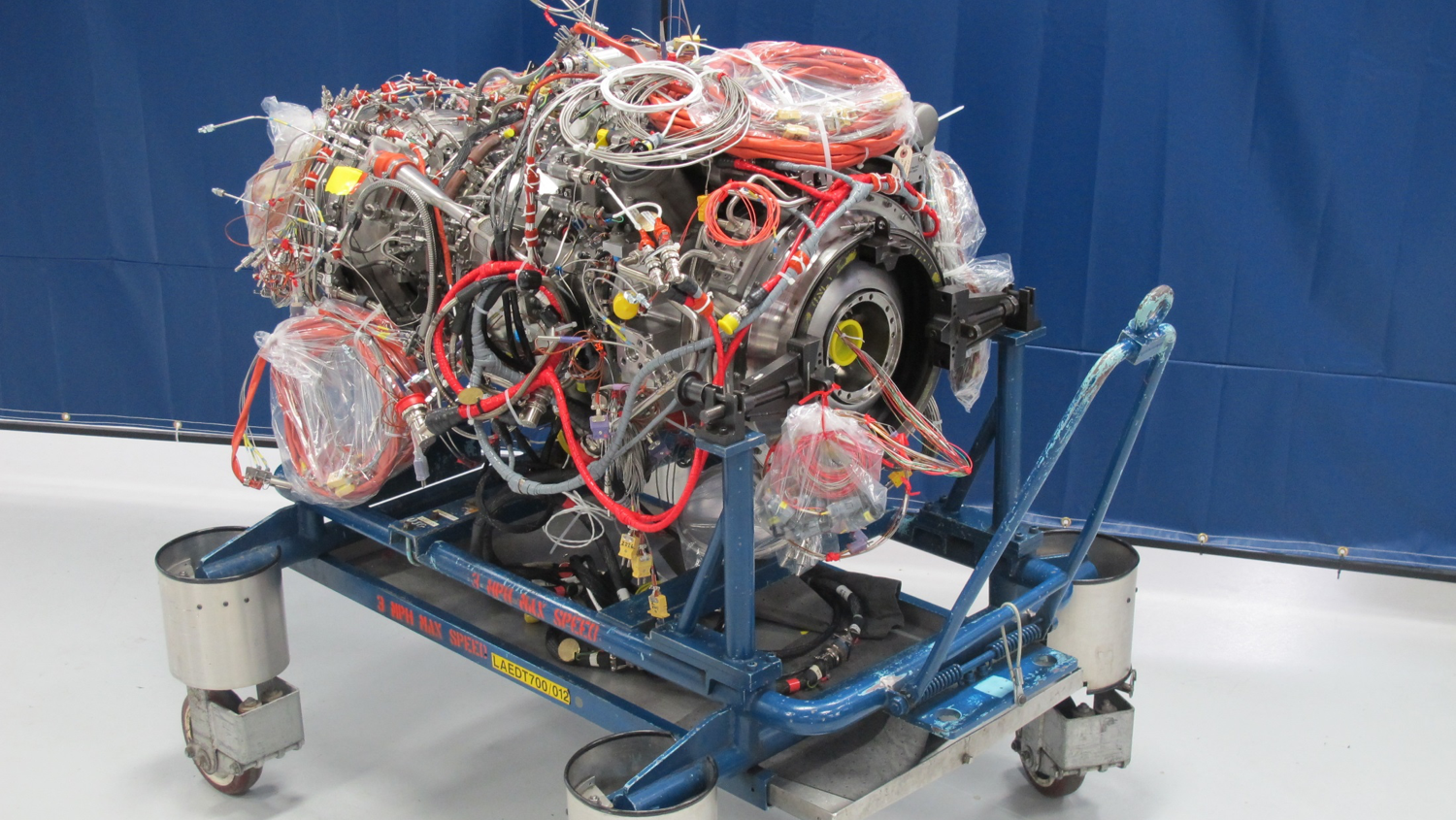
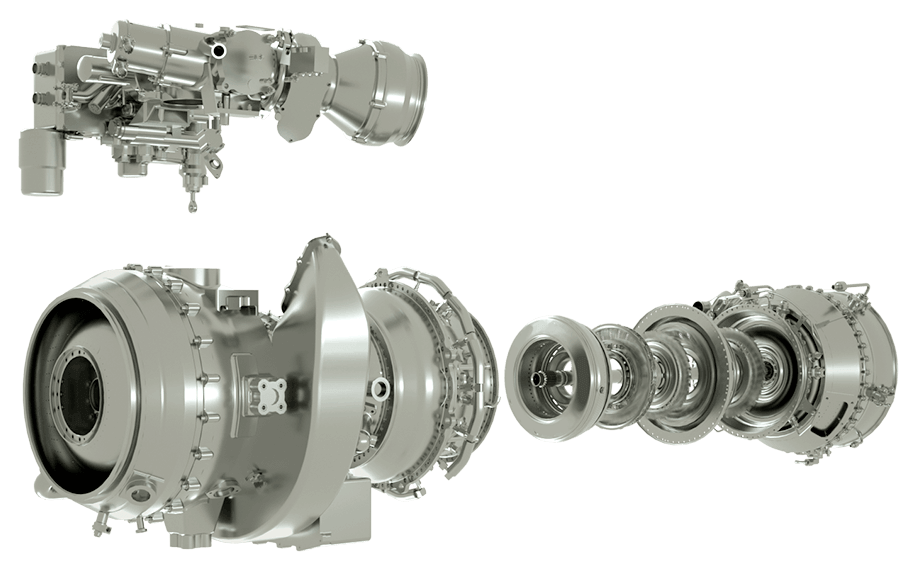
After delays, the ITEP engine will start preliminary flight rating testing in the fall and the Army plans to make it available to FARA prototypes by November.
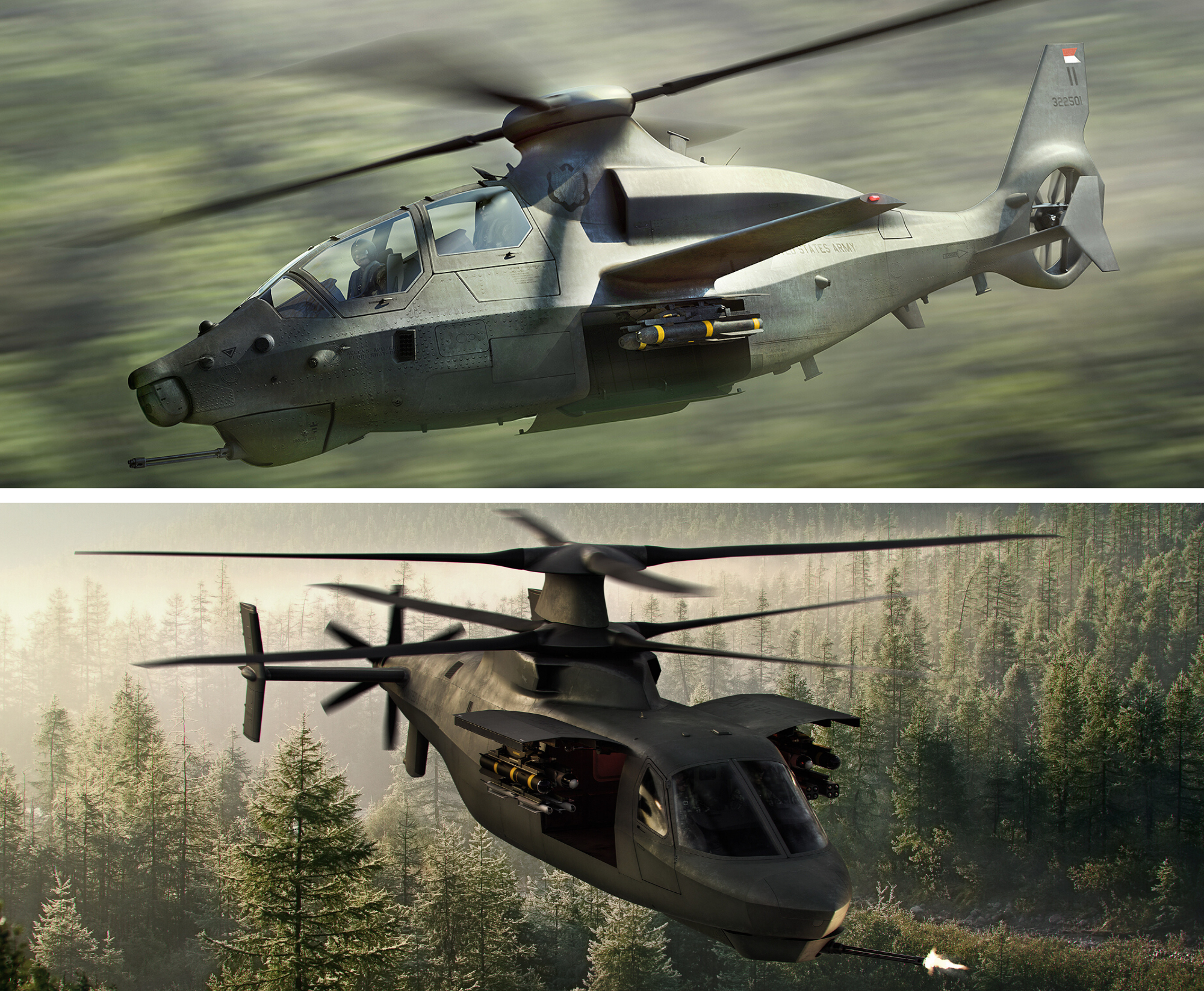
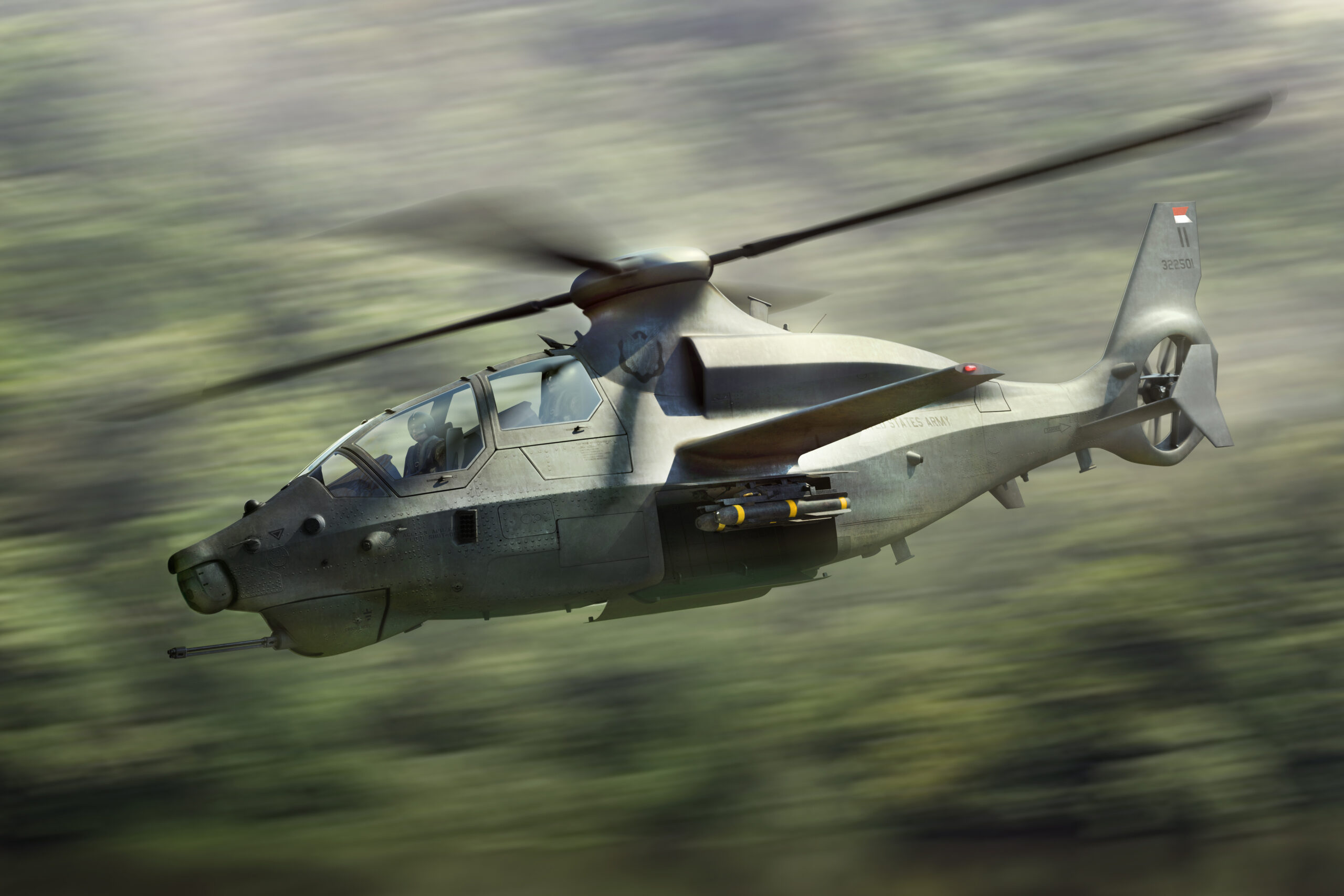
Bell and Sikorsky have started building their competing prototypes for the Future Attack Reconnaissance Aircraft (FARA) ahead of a Final Design Review in November. The vital digital architecture is still in development.
Despite disruptions worldwide, Future Vertical Lift flight tests, virtual industry days, and design reviews are all moving ahead on schedule or mere weeks behind.
The Army’s urgently developing new air-launched drones, long-range missiles, and electronic architecture to go on the Future Attack Reconnaissance Aircraft that Bell and Sikorsky are vying to build.
Sikorsky says their Future Attack Reconnaissance Aircraft design will fly faster, with bigger weapons, than archrival Bell’s. Bell says theirs will be cheaper and more reliable.
CDAO’s Advana data analytics platform is ingesting data from about 500 DoD business systems.
With its trademark tiltrotors too big for the Army’s FARA requirement, Bell is squeezing every ounce of performance out of a helicopter. Will it be fast enough?
Leaked extracts from an Army review tell only part of the story, a 12-year saga of extensive research, development, and testing, the company argues.
Rebuffed by the Army and GAO in its bid to re-engine aging helicopters, ATEC has gone over their heads to Congress and asked legislators for a second chance.
Awards for Future Attack Reconnaissance Aircraft designs went to Bell, Boeing, Karem, Sikorsky, and a partnership of AVX and L-3.
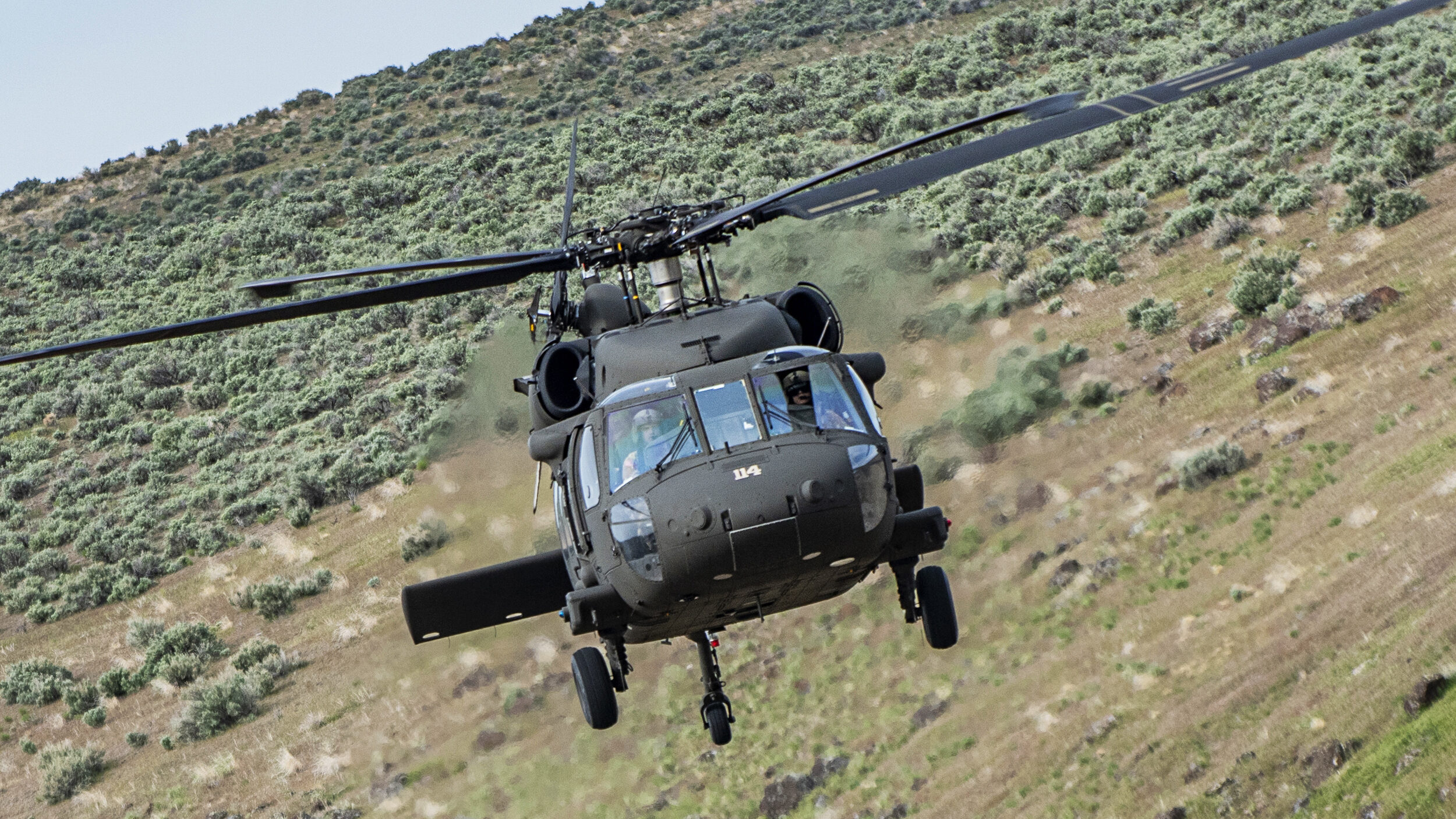
Having wasted tens of billions and almost 30 years since the end of the Cold War, the Army is out of time. But after decades of incremental improvements, its existing weapons — including the UH-60 Black Hawk helicopter that GE’s new engine will upgrade – are overweight, underpowered, and running out of room to grow. Meanwhile, the Army’s attempts at a high-tech great leap forward kept getting cancelled as unaffordable, unfeasible, or both.
AMARILLO, TEX.: Bell Helicopter is so confident in their new V-280 tilt-rotor prototype that they want the Pentagon to accelerate the Future Vertical Lift program – which they think the V-280 will win – by “five to eight years.” [Click here for our head-to-head comparison of the V-280 and its rival, the Sikorsky-Boeing SB>1] That […]
Critics say the Army could end up wasting billions by developing a better engine for its Sikorsky UH-60 Black Hawk and Boeing AH-64 Apache helicopters even as the joint Future Vertical Lift (FVL) initiative gets underway to replace those aircraft. The critics are wrong, program officials assure us. But the critics still disagree. A new Army […]
After more than seven years of designing and testing how to make new, more powerful, and incredibly fuel efficient engines for its AH-64 Apache attack helicopters and UH-60 Black Hawk utility birds, the Army has issued a Request for Proposals (RFP). The Army’s “top aviation priority” thus takes a baby step closer to becoming a […]